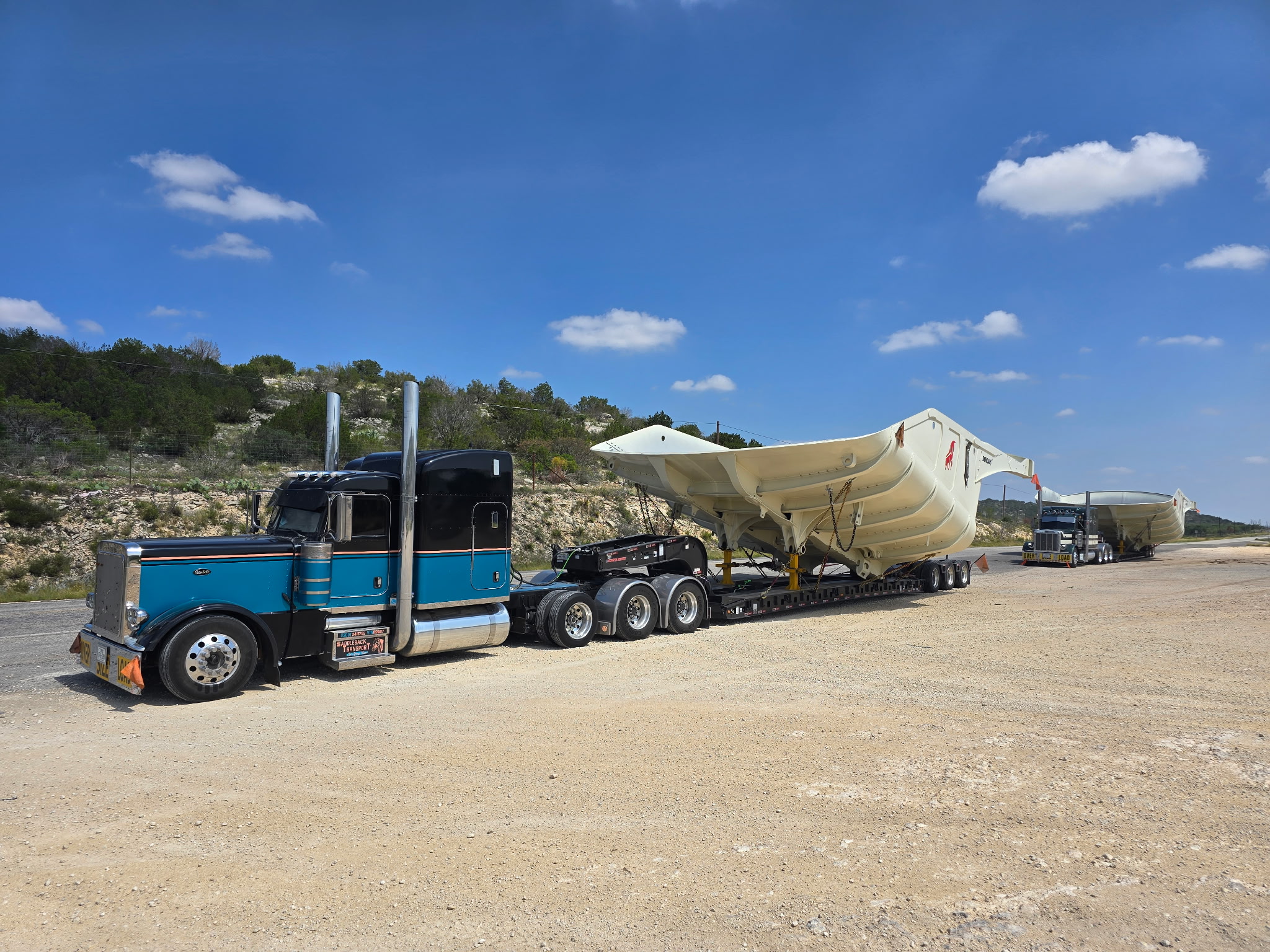
Difficult freight gets delayed when planning starts too late.

Chapter 01 The shipper is the hero
When the freight is difficult, the first step should be clear.
Crest Transportation should not read like a generic trucking company. The stronger story is simple. You have a difficult move with real timing, loading, and communication risk. Crest steps in as the guide with specialized freight coordination, field awareness, and a direct plan.
Primary offer
Send load dimensions, weight, timing, and destination details.
What happens next
Crest reviews equipment fit, route constraints, and handling needs.
Why it matters
You get a more disciplined starting point before the move becomes expensive.
Chapter 02 Define the problem clearly
Difficult freight fails when the plan is vague.
Generic carriers do not always communicate clearly when loading conditions change.
Oversize, reefer, and coordination sensitive moves need a practical plan before dispatch.
White City, OR
Public operating base for a Southern Oregon team handling specialty freight.
Since 2011
Public interstate operating authority indicates established carrier activity.
2 to 14 axle
Public service language points to equipment options for larger legal road loads.
50 states plus
Current company positioning references nationwide and cross border coverage.
Chapter 03 Crest as the guide
A clearer page gives the buyer a simple plan.
StoryBrand works here because the job is not to impress visitors with freight jargon. It is to reduce uncertainty fast. The homepage should show who Crest helps, what goes wrong, and what the first conversation is for.
Share the load details
Send dimensions, weight, pickup conditions, origin, destination, and schedule targets so the move can be scoped around reality.
Get the route and handling plan
Crest aligns trailer fit, permits, escorts, loading constraints, and timing before execution starts.
Move with updates and accountability
The result is a clearer handoff from planning to delivery with fewer surprises for your team and the receiving site.
Chapter 04 Show real proof
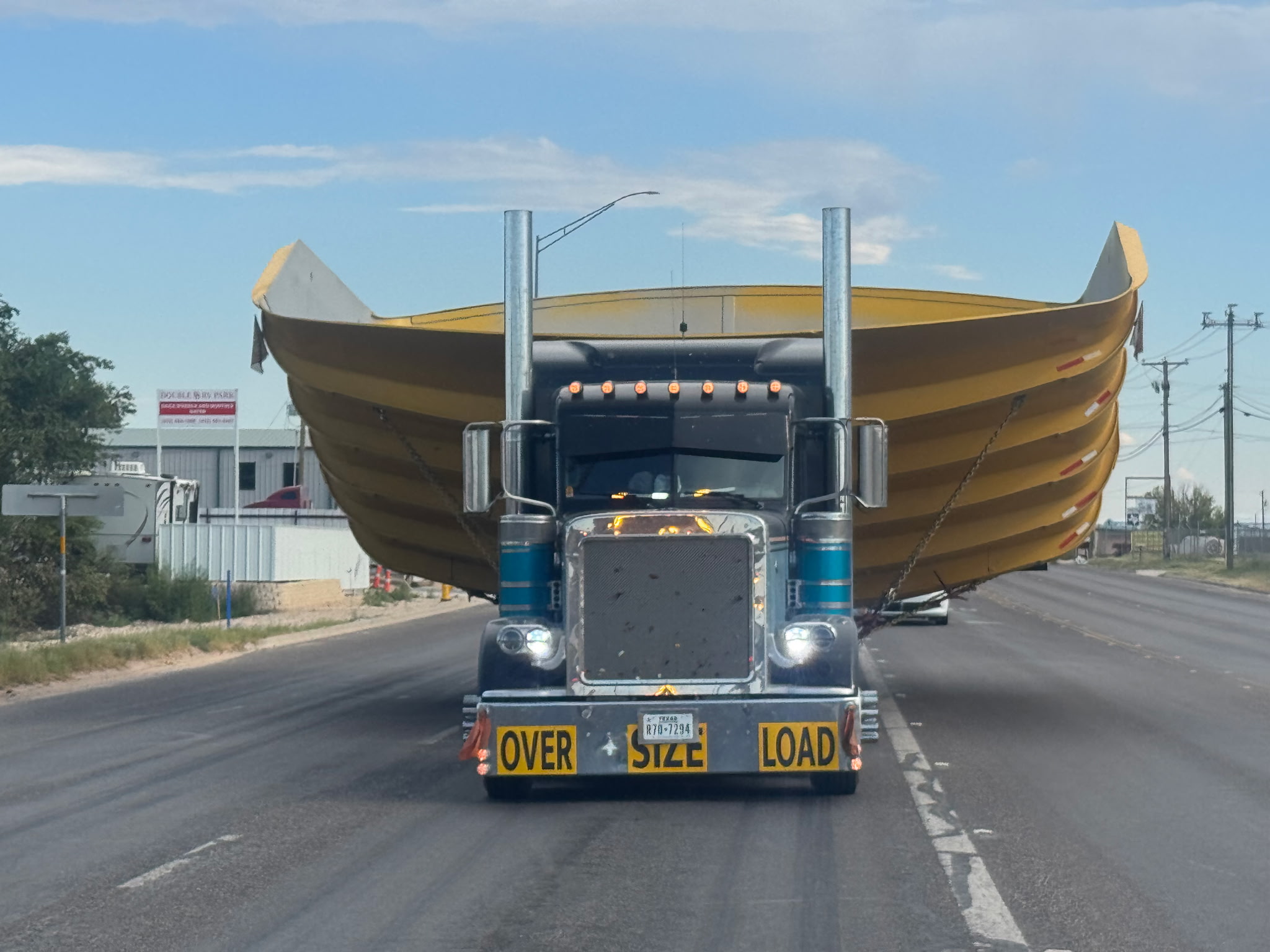
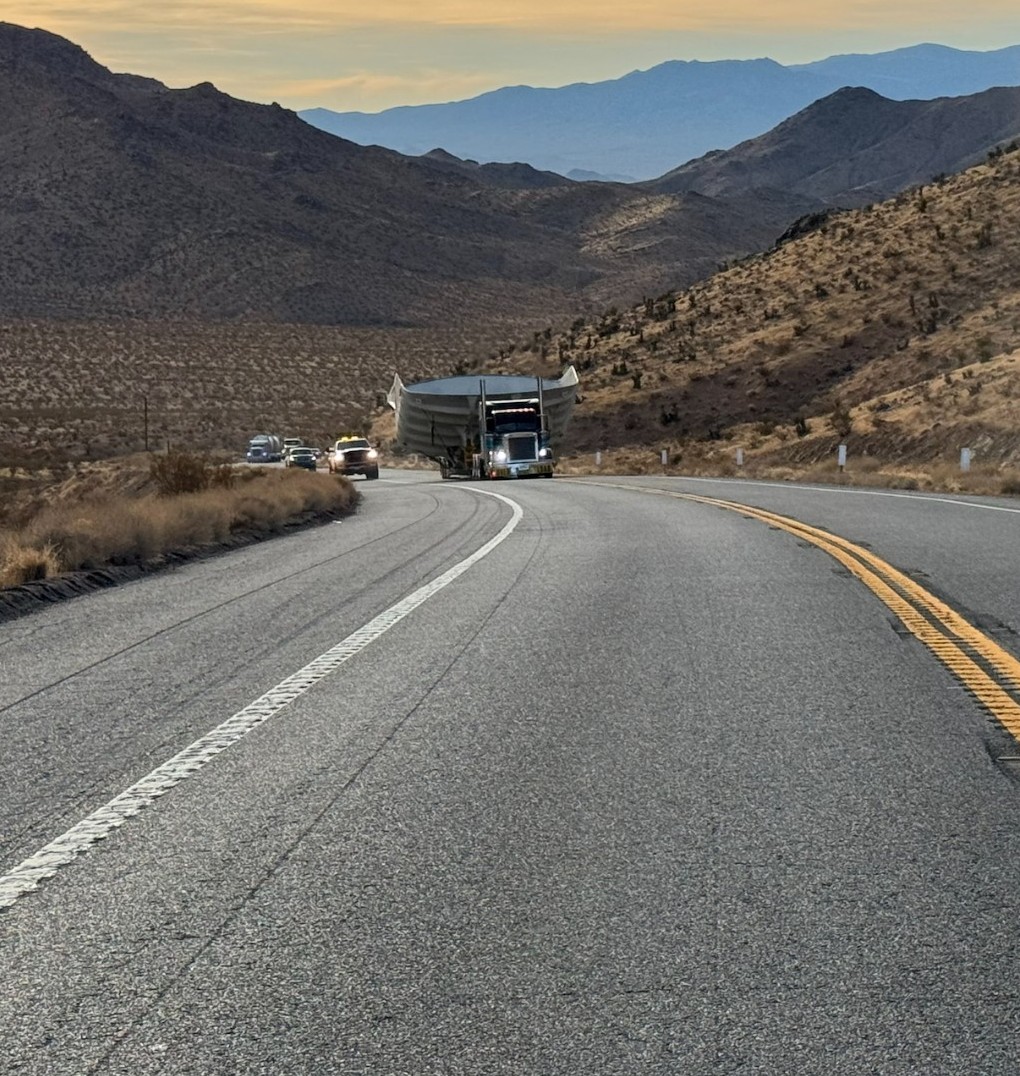
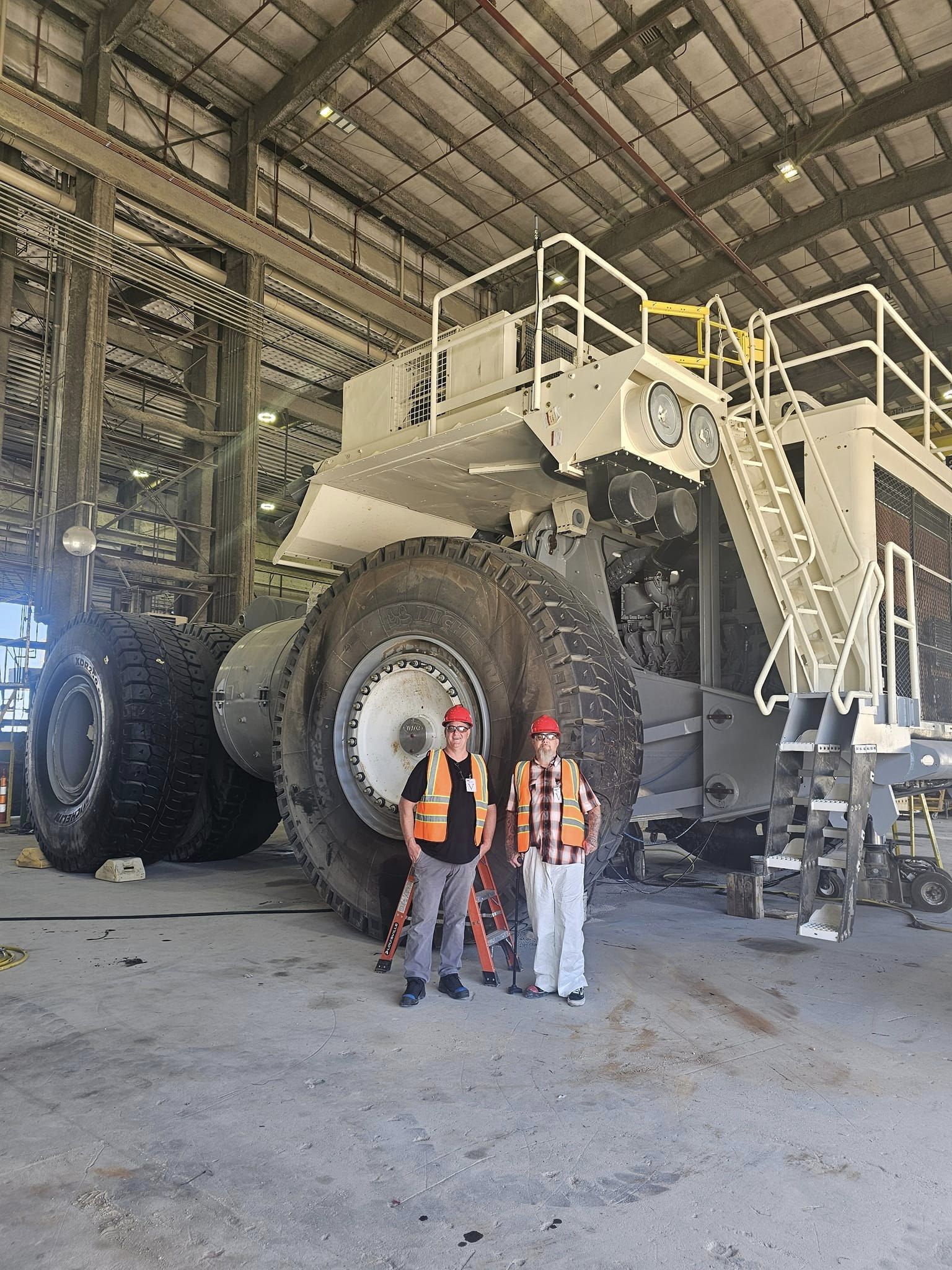
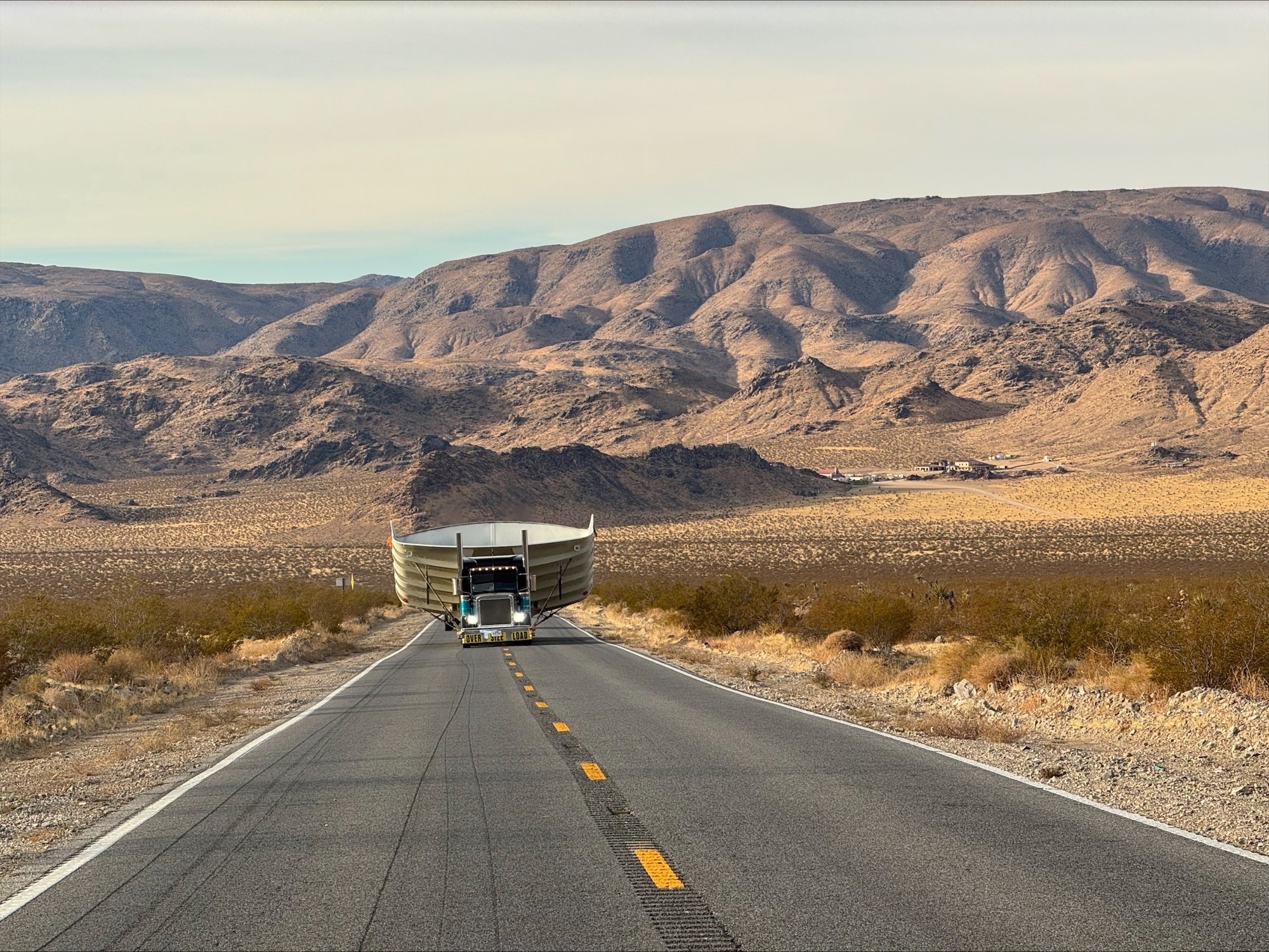
Real project images do the persuasive work faster.
The strongest Crest story uses real heavy haul and freight photography instead of generic stock visuals. It shows the buyer that this company operates where staging, scale, timing, and site conditions actually matter.
Guide principle
Proof should reduce doubt. Every image and caption should help a shipper believe Crest understands complicated freight better than a generic carrier page does.

Featured proof composition
Specialized freight looks different when the work is real.

Crane assisted vessel move
Oversized freight staged, lifted, and aligned with real field coordination.

Long length heavy haul loading
Load planning that reflects permits, trailer fit, and handling discipline.

Temperature controlled delivery
Requested delivery timing and product condition still need operational clarity.

Load securement at the dock
Visible execution proof matters more than broad claims on a generic trucking page.
Chapter 05 Capabilities that support the story
The service mix should feel grouped around real buying paths.
Capability still matters, but it should come after the buyer understands the problem, the guide, and the plan. This keeps the site from reading like a list and makes it easier to scan.

Heavy haul and oversize
For freight that needs permits, escorts, route review, site timing, and the right trailer before the move begins.
Refrigerated and time critical
For product moves where delivery windows, load condition, and communication have to stay under control.
Open deck and support work
For flatbed, stepdeck, power only, staging, and practical support around industrial freight movement.
Chapter 06 Direct call to action
Start with the load details and Crest can help scope the move.
The call to action should feel specific, not vague. The buyer should know exactly what to send and why the first conversation matters.
What to send first
Pickup and delivery locations, including site access conditions if they matter.
Dimensions, weight, equipment profile, and any handling notes.
Requested timing, delivery windows, and hard scheduling constraints.
Anything that increases permit, escort, reefer, or site coordination complexity.
(541) 973 2330
White City, Oregon public contact and operations base.